 |
 02 April 2006, 09:18
|
#1
|
|
Member
Country: USA
Town: Charlotte
Length: no boat
Join Date: Mar 2006
Posts: 1
|
bat RIB?
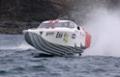
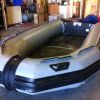
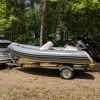
I was at the Miami Boat Show in February and ran across a very nice looking RIB called a BAT. This is made in Italy ( www.bat.it). Does any one know anything about them? Also it tells me it is CE certification CAT B. What does that mean?
Any thoughts would be welcomed.
Thanks,
__________________
|

|

|
|
02 April 2006, 09:43
|
#2
|
|
Member
Country: UK - England
Town: Chesterfield
Boat name: Challenger
Make: Avon 6.20
Length: 6m +
Engine: Honda 150hp
Join Date: Nov 2005
Posts: 4
|
I saw one in a boat showroom in spain last year, they are much more of the mediterranean style rather than an all weather boat but they looked quite good anyway.
__________________
|
|
|
|
|
02 April 2006, 09:47
|
#3
|
|
Member
Country: UK - England
Town: west sussex
Make: (on order)
Length: 6m +
Engine: not sure
Join Date: Nov 2005
Posts: 46
|
one looks very similar to a Stingher that weve just bought. Yesterday was our first trip out on it. Ours is about 6.9 metres and has a 200 suzi on the back. Went fine as quite bumpy at the Bar at Chichester and played in that for a while. More a Med style boat mind, which is where it will end up in a few weeks.
Cat B, as is ours, according to the our Destructions (from the Italian Naval Register) is "Force 8 Winds - waves up to 4 metres" but there's not much chance of us delibritely going out in anything like that.
But im sure others here will chip in chapter and verse about what else it means,
__________________
|
|
|
|
|
30 May 2008, 20:57
|
#4
|
|
Member
Country: Other
Town: ANKARA
Boat name: PORDO SELENE
Make: BAT S.R.L.
Length: 7m +
Engine: YAMAHA F250AET
Join Date: May 2008
Posts: 1
|
Quote:
Originally Posted by Oldrt

I was at the Miami Boat Show in February and ran across a very nice looking RIB called a BAT. This is made in Italy ( www.bat.it). Does any one know anything about them? Also it tells me it is CE certification CAT B. What does that mean?
Any thoughts would be welcomed.
Thanks, |
Hi, I own one of the BAT 7.45 ARTIK FB with F250 great RIB's. Bofor 7 is easy
Check their TOP-SYSTEM SURFACE DRIVE with 2 x Volkswagen Turbo Diesel 165-5 (330HP) engine installation on 7.45 ARTIK EFB model
www.pordoselene.com
__________________
|
|
|
|
|
30 May 2008, 22:44
|
#5
|
|
Member
Country: UK - Scotland
Town: Glasgow
Boat name: stramash
Make: Tornado
Length: 5m +
Engine: Etec 90
Join Date: Feb 2006
Posts: 5,090
|
Quote:
Originally Posted by Oldrt
Also it tells me it is CE certification CAT B. What does that mean?
|
Pretty much nothing as I have learned... dont let a dealer convince you this coding carries any weight what so ever 
__________________
|
|
|
|
|
31 May 2008, 12:39
|
#6
|
|
Member
Country: Belgium
Boat name: Quidam
Length: 10m +
Engine: inboard diesel
Join Date: Dec 2006
Posts: 2
|
Hi,
Isn't the CE certification important for the insurance in case of an accident?
__________________
|
|
|
|
|
31 May 2008, 19:29
|
#7
|
|
Member
Country: Greece
Length: 7m +
Join Date: May 2008
Posts: 16
|
:)
well iam the med type person ... living in greece and enjoying the islands with my rib... bats are great boats for our sea.. welll iam not familiar with uk type of waves...
category B isnt the same anywhere ?
__________________
|
|
|
|
|
31 May 2008, 21:42
|
#8
|
|
Member
Country: UK - England
Town: cornwall
Boat name: nothing
Make: rib eye 430
Length: 4m +
Engine: tatsu 50
MMSI: 666
Join Date: Mar 2006
Posts: 1,914
|
i did wonder what Valentino Rossi does in the winter , he must be out testing boats as well as bikes 
__________________
|
|
|
|
|
02 June 2008, 13:53
|
#9
|
|
Member
Country: UK - England
Town: Salcombe, Devon, UK
Boat name: BananaShark
Make: BananaShark
Length: 10m +
Engine: 2xYanmar 260 diesels
Join Date: Mar 2003
Posts: 4,225
|
Quote:
Originally Posted by Levi
Hi,
Isn't the CE certification important for the insurance in case of an accident?
|
I am not sure of the relevance to insurance, but the CE system is to a large amount self certified, so it gives the customer no guarantees at all but an indication as to its use in terms of the number of people it can carry and the sort of seas it can cope with.
Different companies and indeed nationalities have different views on how to interpret the rules and the categories. Fairly similar looking boats may have category C 7 people and another Category B 14 people and yet there may be no material difference in the boats - indeed it is not an indication that the Category B boat is any better at all!
I would take personal recommendation over a CE rating any day!
__________________
Cookee
Originally Posted by Zippy
When a boat looks that good who needs tubes!!!
|
|
|
|
|
02 June 2008, 14:59
|
#10
|
|
Member
Country: USA
Town: Oakland CA
Length: 3m +
Join Date: Feb 2005
Posts: 6,653
|
Quote:
Originally Posted by Oldrt
Also it tells me it is CE certification CAT B. What does that mean?
|
Over here, nothing.
jky
__________________
|
|
|
|
|
02 June 2008, 17:23
|
#11
|
|
Member
Country: UK - Channel Islands
Town: Guernsey
Make: Pending
Length: 8m +
Join Date: Aug 2005
Posts: 296
|
Perhaps the CE Directive
(specifiying Categories A, B, C, D, and the relevant conditions for use) is not well-known in the US (at least by customers), but US exporters do often categorise their boats. When we bought a Grady White once (ouch, I know it is not a rib., but I did say bought, in the past), the certification document from S. Carolina specified Cat. B. So, there you go.
Rupert.
__________________
|
|
|
|
|
03 June 2008, 12:02
|
#12
|
|
Member
Country: UK - England
Town: Salcombe, Devon, UK
Boat name: BananaShark
Make: BananaShark
Length: 10m +
Engine: 2xYanmar 260 diesels
Join Date: Mar 2003
Posts: 4,225
|
Quote:
Originally Posted by rupert
(specifiying Categories A, B, C, D, and the relevant conditions for use) is not well-known in the US (at least by customers), but US exporters do often categorise their boats. When we bought a Grady White once (ouch, I know it is not a rib., but I did say bought, in the past), the certification document from S. Carolina specified Cat. B. So, there you go.
Rupert.
|
If a boat is made outside the EU it has to have a CE certification or if it is imported without one it has to be certified - of course the Channel Islands are not in the EU!
Some US manufacturers do CE certify their boats as they export to Europe.
__________________
Cookee
Originally Posted by Zippy
When a boat looks that good who needs tubes!!!
|
|
|
|
|
22 February 2009, 07:41
|
#13
|
|
Member
Country: Poland
Town: Warsaw
Make: Parker Rib
Length: 7m +
Engine: 2.8 dsd mercruiser
Join Date: Jun 2005
Posts: 119
|
ce certification clarified
Quote:
Originally Posted by Cookee
I am not sure of the relevance to insurance, but the CE system is to a large amount self certified, so it gives the customer no guarantees at all but an indication as to its use in terms of the number of people it can carry and the sort of seas it can cope with.
Different companies and indeed nationalities have different views on how to interpret the rules and the categories. Fairly similar looking boats may have category C 7 people and another Category B 14 people and yet there may be no material difference in the boats - indeed it is not an indication that the Category B boat is any better at all!
I would take personal recommendation over a CE rating any day! |
I won't go into alot of detail... because i would have to write a book here on ribnet, however in genaral it goes like this.
Ce is not toataly self certified ...
In order to get a boat ce markerd you must submit the build documentation to an notified body... GL/ NORSKE/ PRS ETC...
ONCE THE DOCUMENTAION IS APPROVED YOU MAY BUILD THE BOAT.
Once the boat is built (and during the build) a surveyor from the notified body comes and does a freeboard and stability test.... depending on the results they categorise the boat A B C or D.
for example a C - category boat can easily be changed to B by lowerering the number of people marked on the CE plate.
"A" oceanic
"B" offshore
"C" inshore
"d" - don't even bother when it comes to ribs ;-)
once all documentation is stamped and approved for the first boat, the builder can than self certify the next boats by providing a declaration of conformity that the next boat was built according to the standards in the documentation provided to the notified body. This ofcourse is a guidline as to how the boat will perform, but when it comes to RIBS NOTHING IS BETTER THAN A TEST run , and a recomendation.
__________________
Chris
|
|
|
|
|
22 February 2009, 15:02
|
#14
|
|
Administrator
Country: UK - England
Town: Brighton
Length: 3m +
Join Date: May 2000
Posts: 7,106
|
Quote:
Originally Posted by Oldrt
Also it tells me it is CE certification CAT B. What does that mean?
|
There's a good summary and some more background information here: http://www.ceproof.com/recreational_craft_directive.htm
__________________
|
|
|
|
|
 Posting Rules
|
You may not post new threads
You may not post replies
You may not post attachments
You may not edit your posts
HTML code is Off
|
|
|
|
 Recent Discussions
 |
|
|
|
|
|
|
|
|
|
|
|
|
|
|
|
|
|
|
|
|
|
|
|
|
|
|
|
|
|
|
|
|
|