 |
 03 February 2007, 10:14
|
#1
|
|
Member
Country: UK - England
Town: Cowes, Isle of Wight
Boat name: TiLT 2
Make: Avon Adventure 620
Length: 6m +
Engine: Optimax 135
MMSI: 235032203
Join Date: Sep 2005
Posts: 1,641
|
Scorpion RIBS: rough water
Are Scorpion RIBs good in the rough stuff?
__________________
|

|

|
|
03 February 2007, 11:31
|
#2
|
|
Member
Country: Canada
Town: Newfoundland
Length: no boat
Join Date: May 2000
Posts: 2,100
|
Yes!
__________________
Out of the fog......
|
|
|
|
|
03 February 2007, 13:14
|
#3
|
|
Member
Country: UK - England
Town: Cowes, Isle of Wight
Boat name: TiLT 2
Make: Avon Adventure 620
Length: 6m +
Engine: Optimax 135
MMSI: 235032203
Join Date: Sep 2005
Posts: 1,641
|
Quote:
Originally Posted by Alan

Yes!
|
I ask because, to my eyes, their slim tubes make them appear sleek and rather racy if you know what I mean. So, I thought there might be a 'trade off' somewhere.
I do want one though. A Scorpion could well be my next RIB.
__________________
|
|
|
|
|
03 February 2007, 15:44
|
#4
|
|
Member
Country: UK - England
Town: Bembridge
Boat name: Mellow Yellow
Make: Scorpion Pioneer
Length: 9m +
Engine: Outboards Twin 250's
MMSI: 235024352
Join Date: Feb 2005
Posts: 93
|
You can trust a Scorpion, the wife and myself came back from Falmouth to the Isle of Wight in a big sea, force 7 westerly in 10 hours, not a pleasant trip, but one felt safe in the Scorp, and this was our first excursion out of the Solent
__________________
|
|
|
|
|
03 February 2007, 16:21
|
#5
|
|
Member
Country: UK - England
Town: Woldingham
Boat name: Black Gold
Make: Scorpion
Length: 8m +
Engine: Mercury 300 XS
Join Date: Apr 2006
Posts: 65
|
Scorpions in rough water
Yes they are very good (for their size) if set up correctly. I don't think the diameter of the tubes is very important but the long narrow hull is, and unlike some of the other performance ribs, the Scorpion has a lot of buoyancy at the bow which helps in following seas. I also use the trim tabs a lot to keep the boat level lateraly at speed thereby allowing the deep vee hull to work best If you are thinking of buying, get Graham Jelley to take you for a ride. Gavin
__________________
|
|
|
|
|
03 February 2007, 19:52
|
#6
|
|
Member
Country: UK - England
Boat name: SOLD
Length: under 3m
Join Date: Jun 2004
Posts: 794
|
Just a fantastic rib, i dont know any body who owns one that would swap to some thing else.
see if you can get a trial run or wait for RibX
__________________
|
|
|
|
|
03 February 2007, 20:31
|
#7
|
|
Member
Country: UK - England
Make: Ribcraft 6.5
Length: 6m +
Engine: Suzuki DF175TG
Join Date: Apr 2002
Posts: 929
|
Personally I'm not keen on Scorpions when the waves start getting big - I don't think they have anywhere enough buoyancy at bow. Compared to say a 7+m Ribcraft, you really have to watch you don't drop the bow.
I have no idea how they compare to similar style RIBs, but in the grand scheme of things, I personally think there are much better RIBs if rough water handling is at the top of your list.
Having said the they do give a comfortable ride in moderate seas and have many other things going for them.

__________________
|
|
|
|
|
03 February 2007, 22:33
|
#8
|
|
Member
Country: UK - England
Town: Devon
Boat name: White Ice
Make: Ranieri
Length: 5m +
Engine: Suzuki 115hp
Join Date: Jul 2002
Posts: 5,015
|
Quote:
Originally Posted by Andy Moore
Are Scorpion RIBs good in the rough stuff?
|
No.
They're exceedingly good. It's an unbelievable experience, and as well as being good, they're very forgiving. I've been in many other RIBs over the last few years and I'm always pleased to get back on board Blue Ice. There's good reason for all of this... if you read up on how hull shapes affect performance, and experience a badly designed hull in action, all becomes a lot clearer. The great following sea performance isn't due to bow buoyancy, in fact the reverse is true. The shallow forefoot is one of the characteristics which helps, although this is also a small weakness in the design in other respects, as this gives the hull a tendency to drop the nose if you're nervous with the throttle, and will porpoise slightly in a slight to moderate sea. This can be overcome very easily with more throttle! And because the hull is a warped V... actually it's a very warped V.... the bow can be plunged into large waves at high speed with very little drama - the sharp and shallow forefoot just carves into them. Warped V hulls aren't the be-all-and-end-all of RIB hull design though.... the 6.5 Scorpion (not made any more) isn't anything like as good as the 7.5 as it just doesn't have the pitch stability, and the hull comes into its own at 35+kts. Almost impossible to keep up that sort of speed in a 6.5m RIB in a rough sea. So the hulls shape doesn't really suit smaller RIBs. And in a bigger RIB, if you had a Yanmar 300 diesel with the appalling turbo lag, you might find it difficult to use the throttle to have perfect pitch control in a heavy sea, so you'd really have to make sure not to drop the bow. Even worse, if you had an iffy Bravo 3 leg and the boat's owner was nervous of making fast progress in rough seas, you wouldn't be able to exploit the superb performance from the RIB.
But I digress! Other features which make the Scorpion hull perform well are the fact that the tubes don't drag in the water - this can produce a horrible yawing sensation that many people mistake for chine walking, but in some cases is actually the RIB bouncing from one tube to another. And the tube attachment has a rebate so that the water doesn't work into the glue which fixes them to the hull. There is a vertical rise above the reverse chine which is essential for hull strength (without this vertical section, the hull would be like an ironing board and have poor lateral strength) and the reverse chine itself is very important... water displaced by the V of the hull is forced against this to give lift, and the hooked profile of the chine maximises this, and keeps the occupants of the boat dry. One particularly pleasing piece of design is the fact that the reverse chine tapers out to the bow where it's not required.
It's no coincidence that all the major UK endurance records (Round Britain under 30' , Round British Isles and London-MonteCarlo) are held by Scorpion RIBs.
"Slim" tubes (tapered ones) are an option - we have standard tubes which are just as fat as on most other makes. I doubt that they make any difference to the handling at speed though - only the performance once you're full of water!
|
|
|
|
|
04 February 2007, 09:27
|
#9
|
|
Member
Country: UK - England
Town: Cowes, Isle of Wight
Boat name: TiLT 2
Make: Avon Adventure 620
Length: 6m +
Engine: Optimax 135
MMSI: 235032203
Join Date: Sep 2005
Posts: 1,641
|
Quote:
Originally Posted by Richard B
No. They're exceedingly good. It's an unbelievable experience, and as well as being good, they're very forgiving. I've been in many other RIBs over the last few years and I'm always..................es. I doubt that they make any difference to the handling at speed though - only the performance once you're full of water!
|
Thanks for the comprehensive answer. 
__________________
|
|
|
|
|
04 February 2007, 12:32
|
#10
|
|
Member
Country: Canada
Town: Newfoundland
Length: no boat
Join Date: May 2000
Posts: 2,100
|
Quote:
Originally Posted by Andy Moore
Thanks for the comprehensive answer. |
I'd also like to thank Richard from saving me typing the longer reply I had been meaning to do!  I would have to agree with all he says because not only does he know what he is on about but also I owned Blue Ice before him. I've also done a fair bit of cruising (Round Britain, Scottish Isles etc) with Brian on Cyanide. Neither of these boats has tapered tubes (Blue Ice predates the introduction of them) but I would have every confidence in a more modern scorp with tapered tubes.
Whether it's the tubes or the hull is something that can be debated. I've oftened wondered what a Scorpion based hardboat would be like. 
__________________
Out of the fog......
|
|
|
|
|
04 February 2007, 14:16
|
#11
|
|
Member
Country: UK - England
Town: Southampton
Boat name: SMH Rib / War Shot
Make: Ribtec / Scorpion
Length: 4m +
Engine: 100hp Yam/150hp opt
Join Date: Sep 2003
Posts: 2,069
|
6.5m
Richard,
The 6.5m is a pretty good seaboat I reckon.
Longer is almost always better with regard to pitch motion - but you pay handsomely for length when buying a boat! A £20k plus 7.5m will be better than a £15k 6.5m, and better than my £6k 5.4m. The record breaking boats are 9.5m / 10m and £100k plus
As stated the very fine bow is great going upwind.
I would have to disagree with DJL that there is a lack of buoyancy at the bow - unless he is talking about a tapered tube boat of which I have no experience.
The only thing I find you have to look out for is the bow hooking when going down wind at an angle to the sea - if you let it fly too high it can catch you out when landing.
I don't think I would want any other 6.5m except perhaps a Ribcraft or a Searider.
__________________
|
|
|
|
|
04 February 2007, 16:30
|
#12
|
|
Member
Country: UK - England
Town: Devon
Boat name: White Ice
Make: Ranieri
Length: 5m +
Engine: Suzuki 115hp
Join Date: Jul 2002
Posts: 5,015
|
Quote:
Originally Posted by Alan
I've oftened wondered what a Scorpion based hardboat would be like. |
Phantom 28s aren't a world away in terms of hull shape, neither is a Formula... just not quite as warped and slightly more forefoot.
Duncan - sorry, I didn't mean to imply that the 6.5 isn't a good boat - it is, but with a caveat - it needs to be fitted out with care as it's sensitive to weight distribution. From what I've seen of yours, it's well set up as it appears to ride very well. The 6.5 seeems to need the console placed a little more foreward.
|
|
|
|
|
04 February 2007, 16:40
|
#13
|
|
Member
Country: UK - England
Make: Ribcraft 6.5
Length: 6m +
Engine: Suzuki DF175TG
Join Date: Apr 2002
Posts: 929
|
I will admit I don't have a huge amount of experience with Scorpions in rough weather. I've probably driven 4/5 over the past few years, 2 fairly regularly.
As I said in moderate seas, i.e. when you can keep the boat planning at a reasonable speed, I think the ride is very good.
When the waves get to a size where your driving each wave, I think the hull profile at the bow lets it down (it’s not the tubes). The bows also seem to be more affected by wind during slow speed manoeuvres, again I suspect due to the bow profile.
__________________
|
|
|
|
|
04 February 2007, 21:45
|
#14
|
|
Member
Country: UK - England
Town: Lymington
Boat name: Lynx 1, 2, 3
Make: Scorpion
Length: 8m +
Engine: Mercury 275
Join Date: Aug 2002
Posts: 182
|
Very simply, Yes. If you want to discuss further feel free to call.
We also supply our boats to Scorpion for demo purposes if you are interested in a demo give them a call.
Stuart
|
|
|
|
|
 Posting Rules
|
You may not post new threads
You may not post replies
You may not post attachments
You may not edit your posts
HTML code is Off
|
|
|
|
 Recent Discussions
 |
|
|
|
|
|
|
|
|
|
|
|
|
|
|
|
|
|
|
|
|
|
|
|
|
|
|
|
|
|
|
|
|
|








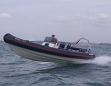
 War Shot